
Choosing the right size shed for your property might seem like a simple task, but it requires thoughtful planning. Whether you need extra storage, a workspace, or a hobby room, your shed’s size plays a big role in how useful and functional it will be. Picking the wrong size can lead to wasted money, limited space, or an awkward fit in your yard.
Here’s a simple and clear guide to help you choose the perfect shed size based on your needs, space, and future goals.
Think About the Shed’s Purpose
The first step is to define why you need the shed in Kewaskum.
Storage only: If you just need to store garden tools, a lawnmower, and a few boxes, a small shed (around 6x4 feet or 8x6 feet) may be enough.
Workshop or hobby space: If you want to use it for woodworking, painting, or other hands-on hobbies, go for at least a medium size (10x10 feet or larger).
Multi-purpose use: Planning to store items and work inside the shed too? Then consider a larger size (12x16 feet or more).
Write a list of everything you want to put inside. This helps you plan the space better, so you do not feel cramped or run out of room too soon.
Measure the Available Yard Space
Before picking a size, measure the area where you want to place the shed. Think about more than just whether it fits. Ask yourself:
Will you be able to walk around it?
Do you need space for opening doors or windows?
Will it block your view or take up too much lawn?
Keep at least two to three feet of free space around the shed for easy access and maintenance. Also, make sure the shed’s size does not go against any local building rules or homeowners’ association guidelines.
Consider Future Storage Needs
It is easy to underestimate how much storage you will need over time. What feels like enough space today may not be enough in two years. Many homeowners regret buying too small a shed, especially if they start adding new items like bikes, seasonal decorations, or lawn furniture.
If your budget and yard space allow, go slightly bigger than your current needs. A 10x12 shed, for example, gives you much more flexibility than an 8x8 shed, with not much added cost in the long run.
Match the Shed Size to Your Property Type
Your shed should look like it belongs in your yard. A shed that is too big can make a small yard look even smaller, while a tiny shed may feel lost in a large open space. Try to balance your shed size with your overall landscape design.
Small yards: Stick with compact models like 6x4 or 8x6. Use vertical space with shelves or wall hooks.
Medium yards: A 10x10 or 10x12 shed offers a good balance between storage and floor space.
Large yards: You have more freedom here, so you can choose sheds that are 12x16 or even larger.
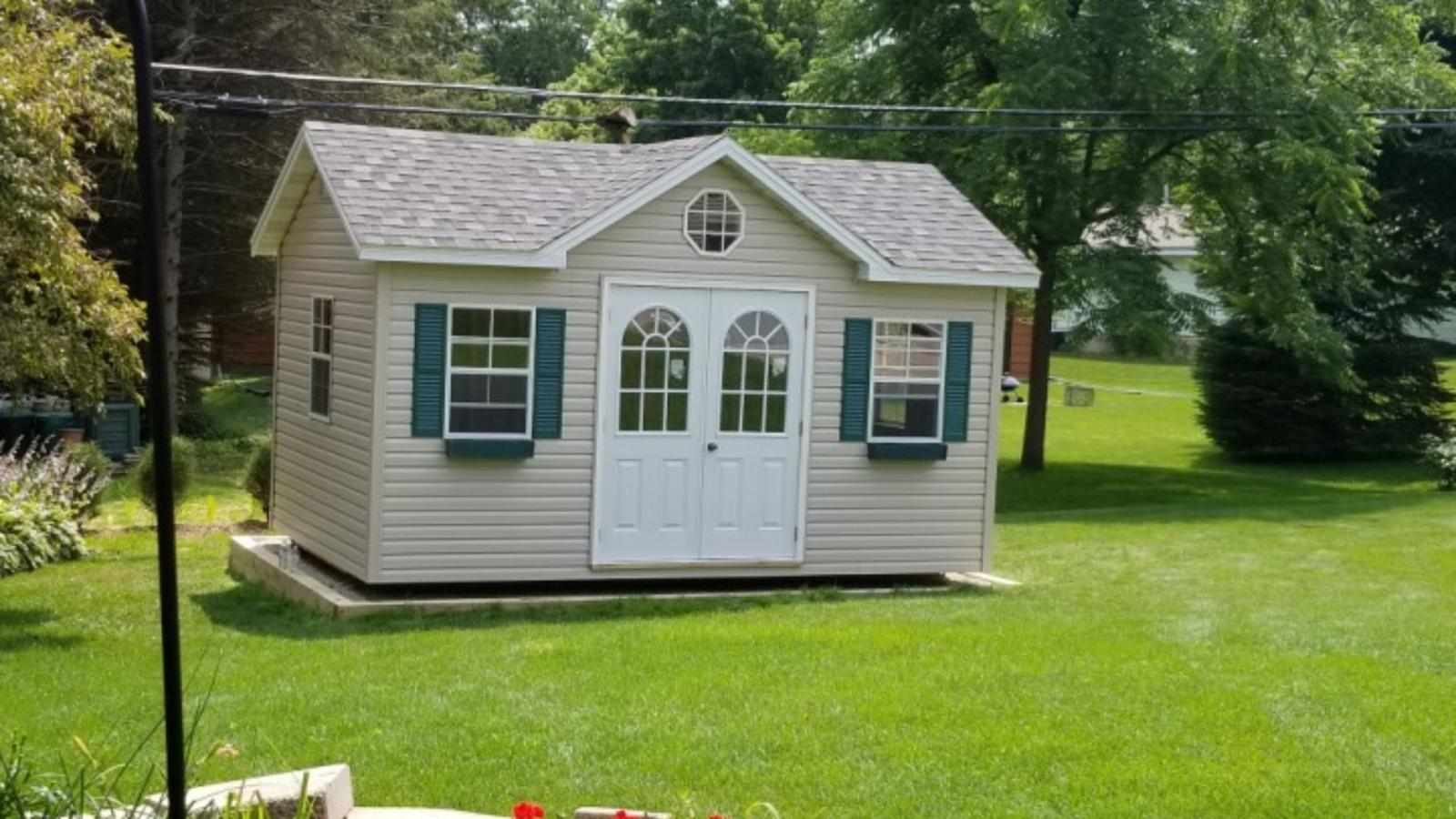
Also, think about the shed’s design. A well-designed large shed can actually improve how your yard looks, especially when painted to match your home.
Check Local Rules and Permit Needs
Some areas have strict rules about shed size, placement, and height. You may need a permit if the shed is over a certain size or close to a property line. Always check with your city or town before making a final decision.
Getting professional help or buying from a local shed builder can also help you avoid problems later, especially with delivery, installation, and foundation requirements.
Final Tip: Don’t Just Think Floor Space
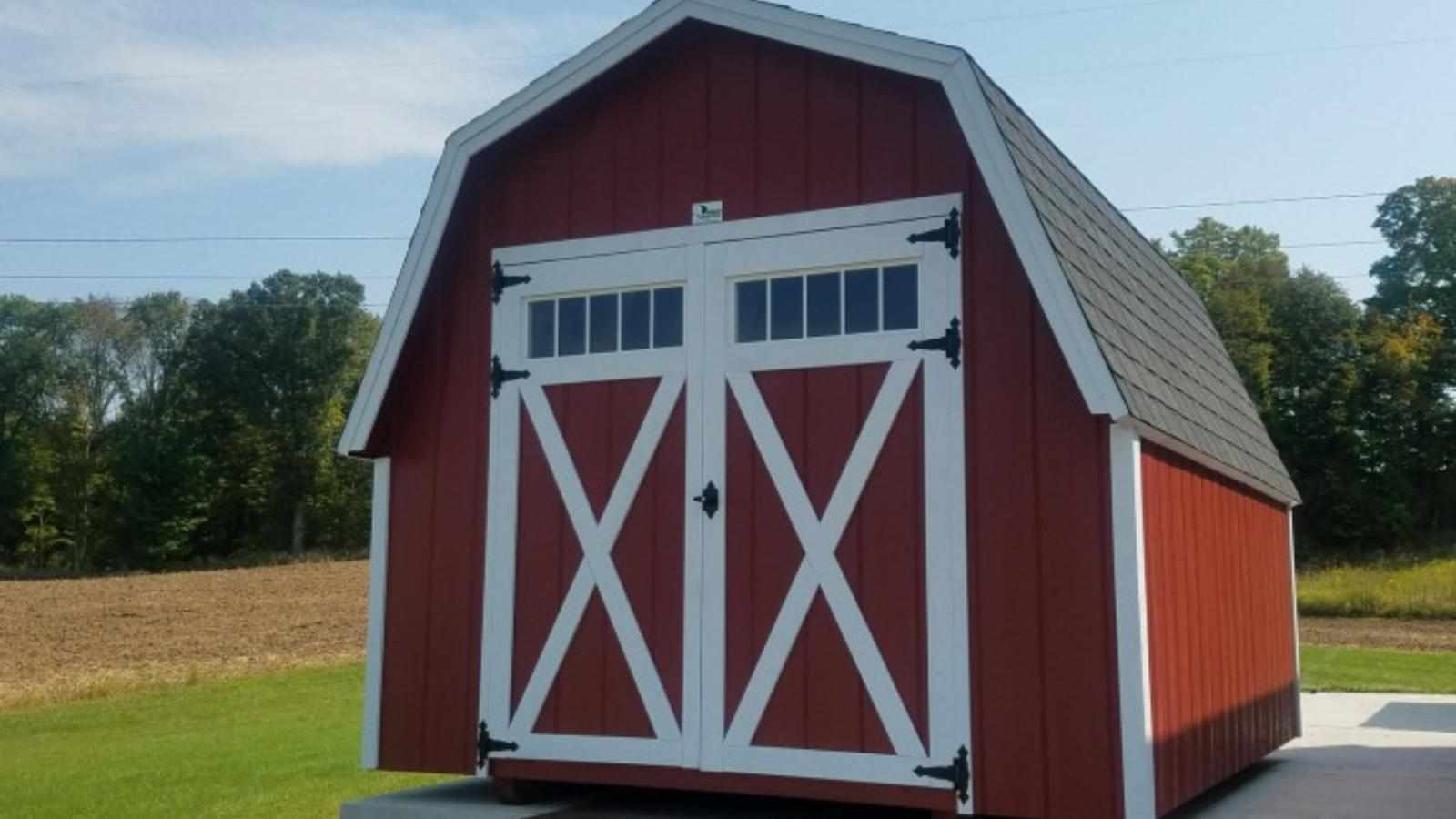
Height matters too. If you plan to store tall items like ladders or use shelves, choose a shed with enough headroom. Higher walls and steeper roof styles give you better use of space without needing a bigger footprint.
Summary:
Picking the right size shed is about understanding your needs today and thinking ahead for tomorrow. Measure your yard, think about your usage, and choose a size that gives you room to grow without overwhelming your outdoor space. A well-sized shed in Wisconsin adds value, organization, and comfort to your home for years to come.



Write a comment ...