
Keeping horses safe in outdoor shelters is a responsibility that changes with the seasons. Each season brings its own challenges, and understanding them can make a big difference in your horse’s comfort and health. Shelters for horses in Kewaskum are more than just a place to rest—they are a key part of their well-being. Here’s some expert advice to help you navigate seasonal care and keep your horses happy all year round.
Why Shelters for Horses Matter
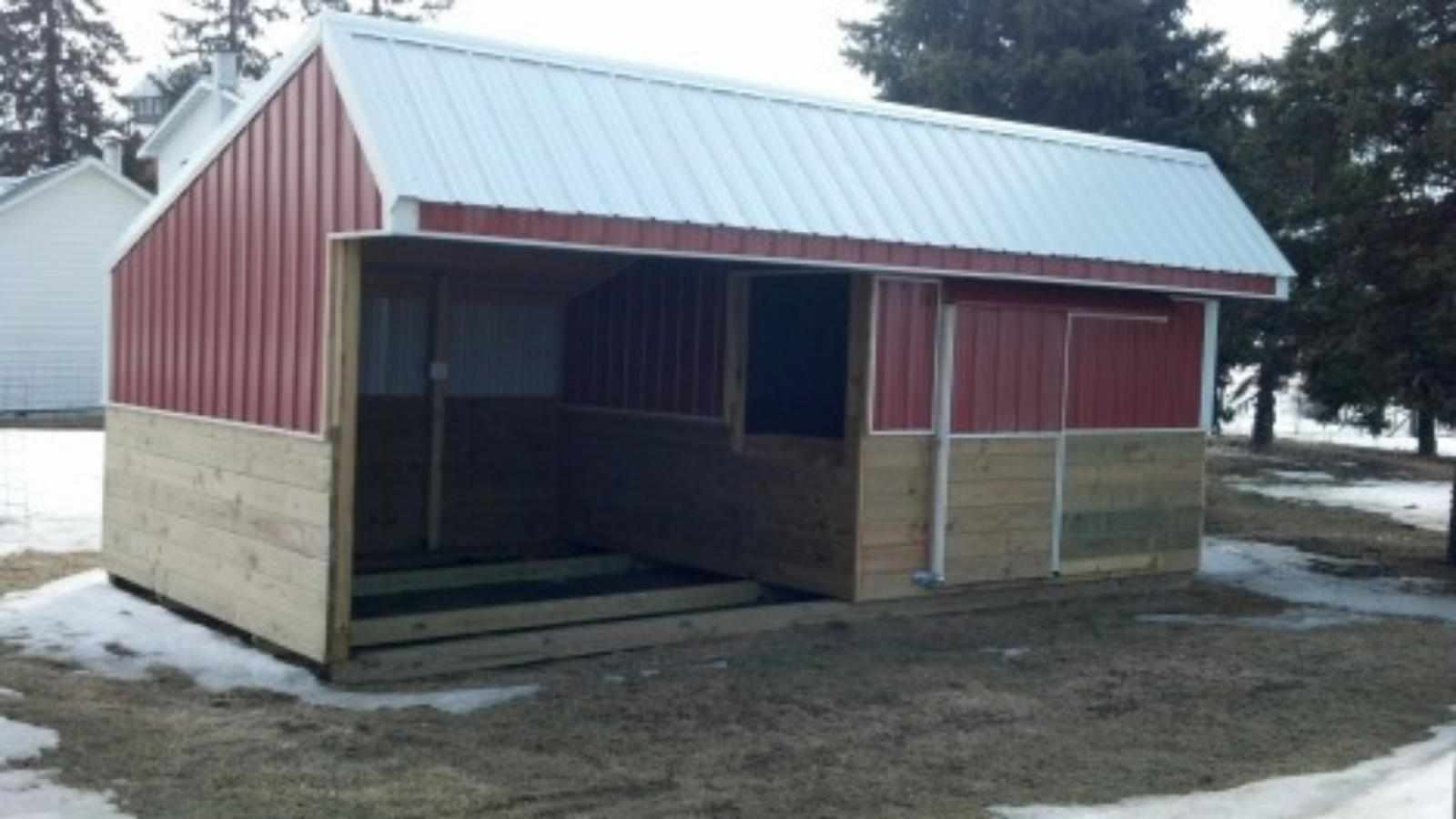
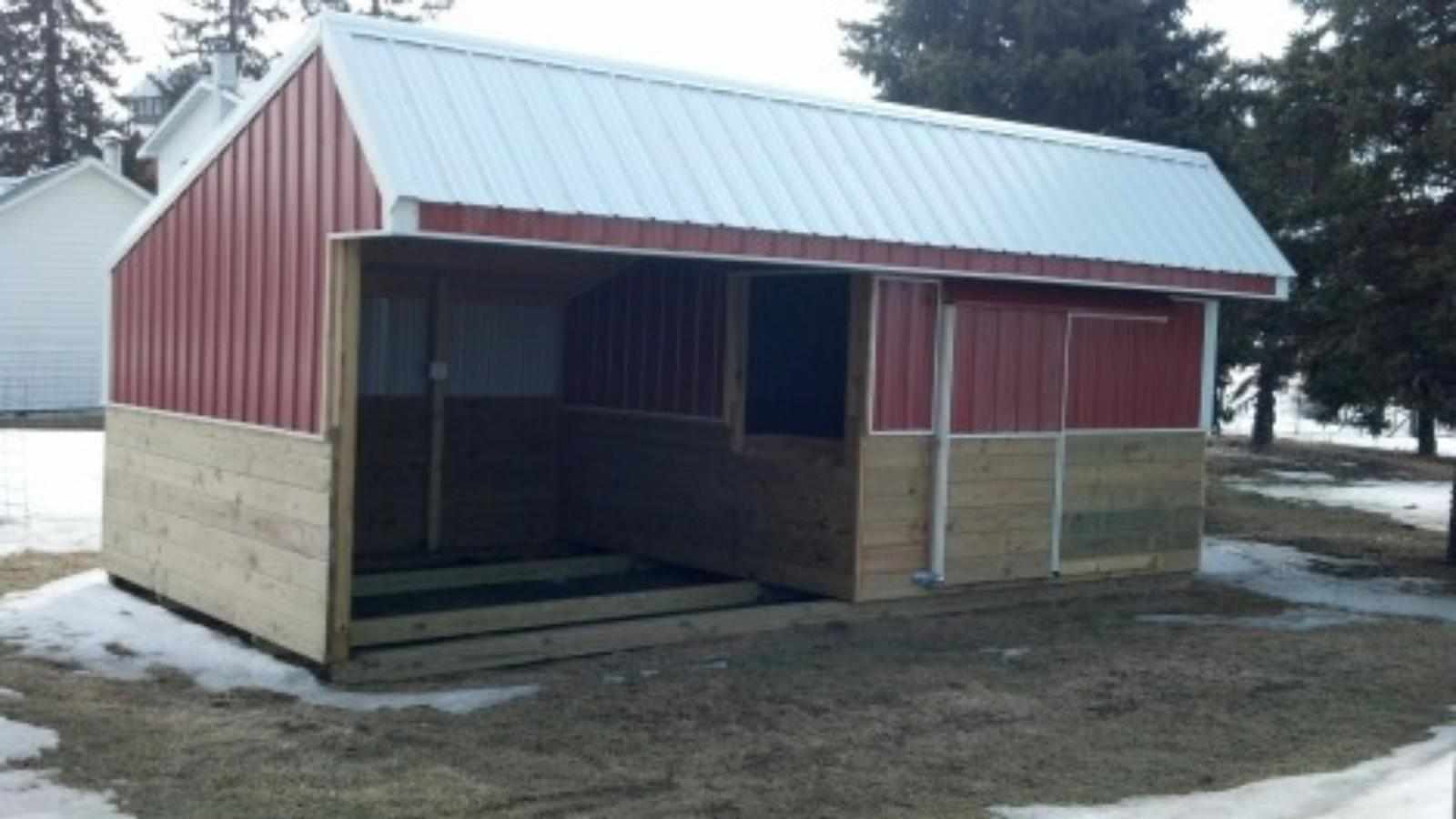
Horses may seem resilient, but exposure to harsh weather can take a toll on their health. Shelters for horses protect them from rain, wind, snow, and heat, while also providing a safe space to relax. Beyond protection, a good shelter prevents injuries caused by slippery or uneven ground and helps maintain clean, dry bedding. Horses rely on us to create a secure environment where they can thrive.
1. Spring: Managing Mud and Moisture
Spring is a season of growth, but it also brings mud, rain, and unpredictable weather. Wet, soft ground can lead to slipping and hoof problems.
Experts recommend:
Ensuring proper drainage around shelters to prevent pooling water.
Adding gravel or sand in high-traffic areas to reduce muddy patches.
Checking roofs for leaks to keep bedding dry.
Removing wet or soiled bedding regularly to avoid mold and bacteria.
Taking these steps ensures your horses remain safe, dry, and comfortable as they enjoy longer days and warmer temperatures.
2. Summer: Keeping Cool in the Heat
Hot summer days can be stressful for horses, especially older ones or those with thick coats. Shelters for horses should provide shade, airflow, and easy access to water.
Consider:
Placing shelters to take advantage of natural breezes.
Filling water buckets frequently and keeping them clean.
Using fans or mesh screens to improve ventilation.
Switching to lighter bedding that does not trap heat.
Horses will instinctively seek shade, but a well-ventilated shelter ensures they can escape the heat safely and avoid dehydration or heat stress.
3. Fall: Preparing for Winter
Fall is the perfect time to get shelters ready for colder months. Changes in temperature and early frosts mean horses need a warm, dry place to rest.
Experts suggest:
Inspecting shelters for structural damage or leaks before winter.
Adding fresh, dry bedding for insulation.
Checking doors and windbreaks to block drafts.
Clearing gutters and drainage areas to handle fall rains.
Fall preparation can make winter care much easier and keep your horses healthy and comfortable.
4. Winter: Staying Safe in Cold Weather
Winter brings cold, snow, and ice, making proper shelter critical. Horses need warmth and protection from harsh elements.
Recommendations include:
Using insulated shelters or adding extra bedding for warmth.
Ensuring water sources do not freeze by using heated buckets or troughs.
Providing ample space so horses can move and stay active inside shelters.
Clearing snow and ice around the shelter entrance to prevent slips.
Shelters for horses in winter must prioritize safety and comfort, helping them conserve energy and stay healthy during the harshest months.
Year-Round Shelter Maintenance Tips
Beyond seasonal adjustments, maintaining shelters year-round is vital:
Regularly inspect the structure for damage or wear.
Keep bedding clean and dry to prevent infections.
Ensure the area is free from sharp objects or hazards.
Rotate horses in shared shelters to prevent overcrowding.
Simple, consistent maintenance ensures your horses always have a safe space, no matter the weather.
Outcome:
Protecting horses in outdoor shelters requires attention, planning, and seasonal adjustments. By addressing seasonal challenges and maintaining shelters for horses in Mequon, you not only safeguard their health but also enhance their comfort and well-being. Horses thrive when they feel secure and cared for, and a properly managed shelter is at the heart of that.






Write a comment ...