
When it comes to caring for horses, every detail matters, including the roof over their heads. The right roofing material can make a big difference in the comfort, safety, and durability of an animal shelter shed. Weather conditions, insulation needs, and even noise levels all influence how safe and suitable a horse shelter is.
So, let’s look closely at some roofing options available for horse shelters and understand how they impact your horses’ well-being and the overall safety of the structure.
1. Metal Roofing: Durable and Weather-Resistant
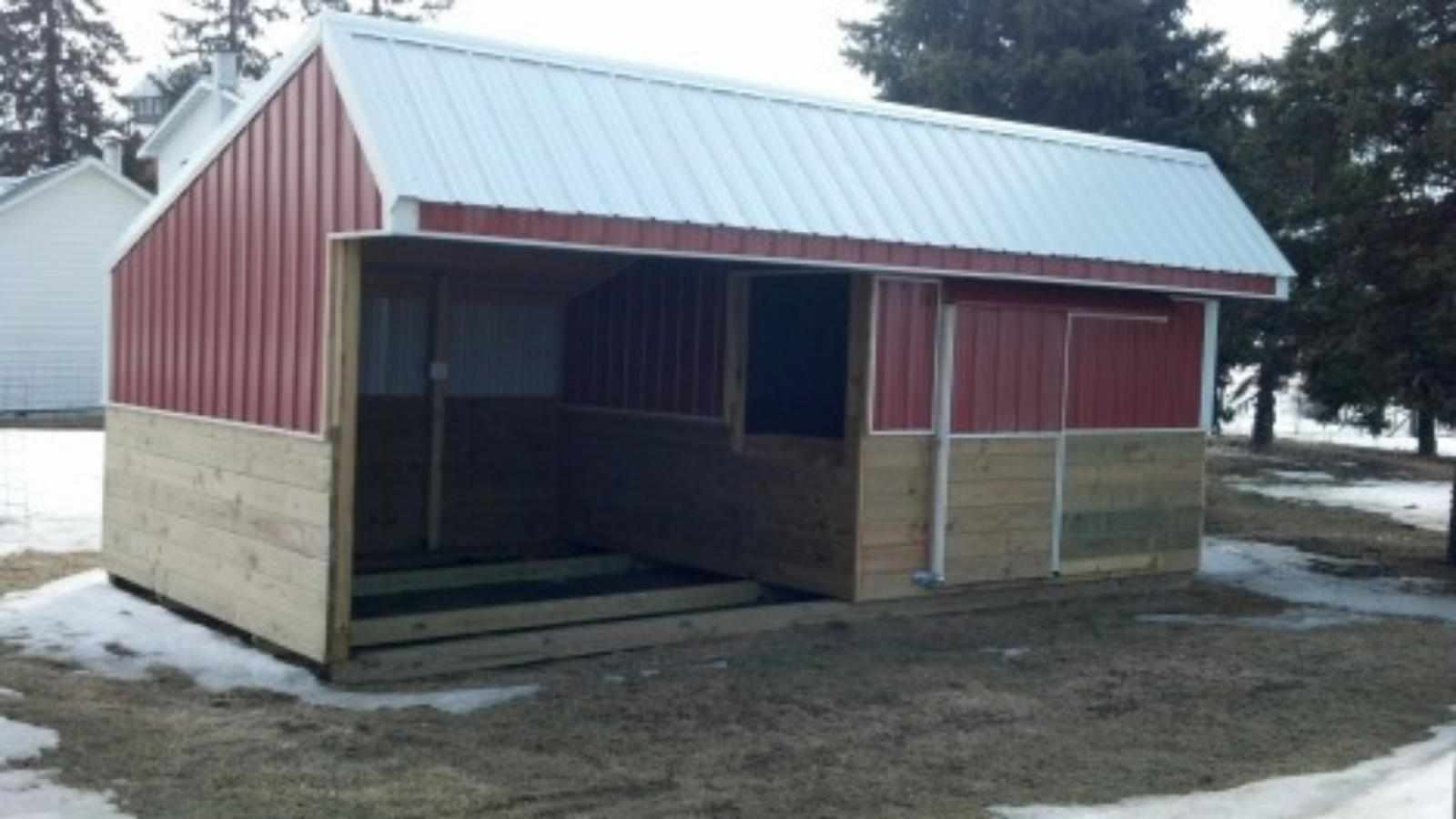
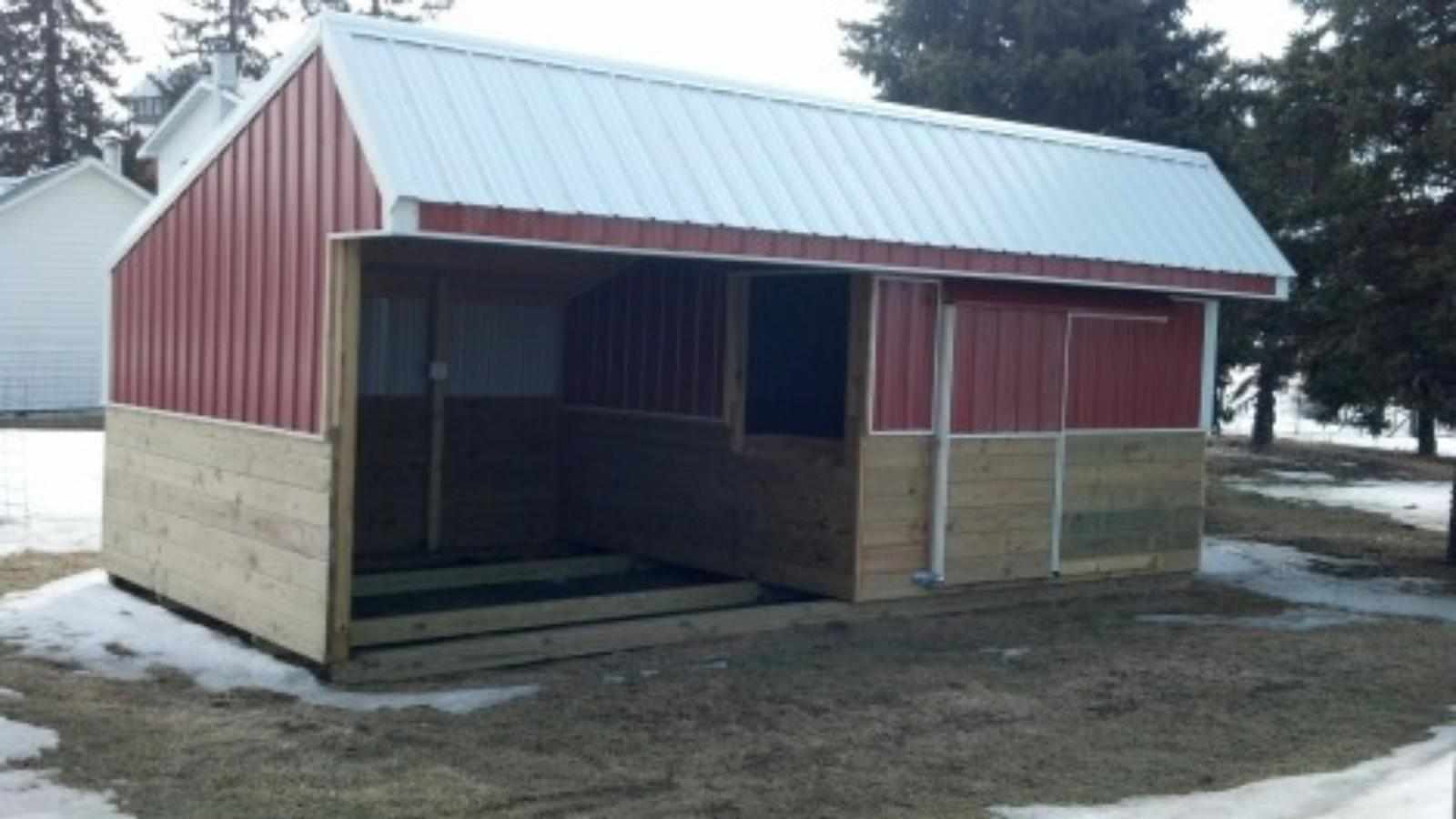
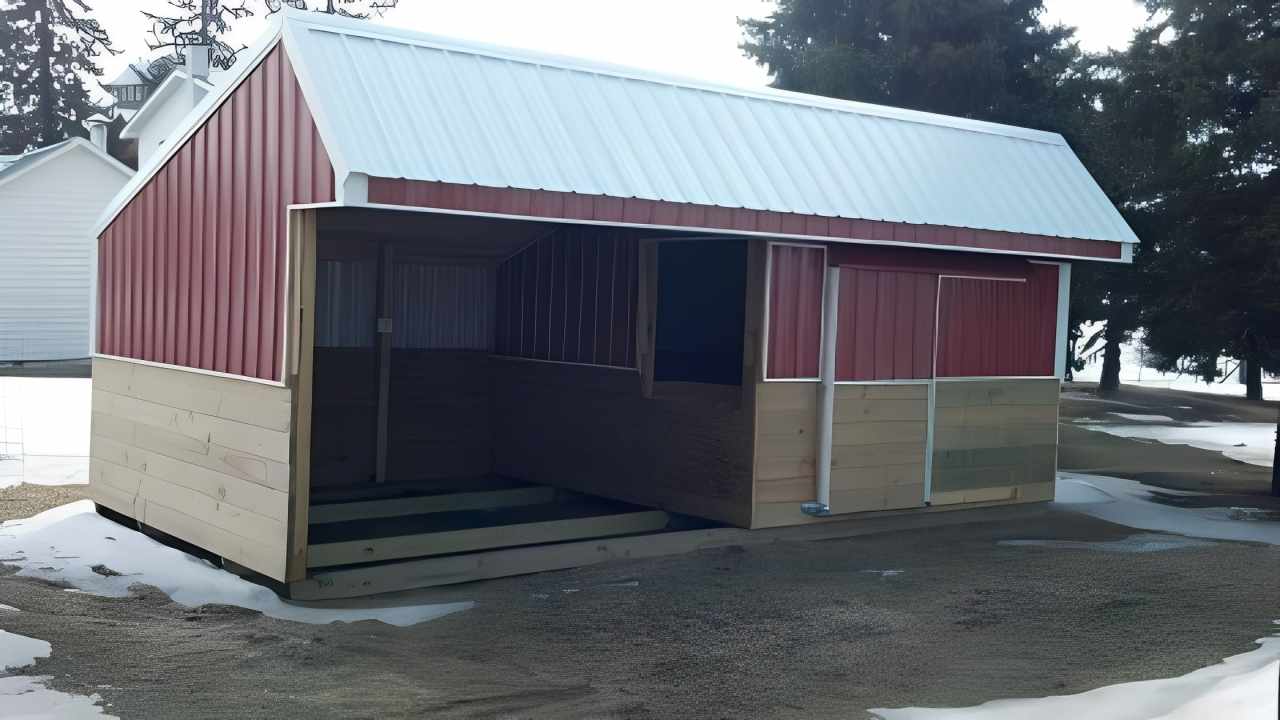
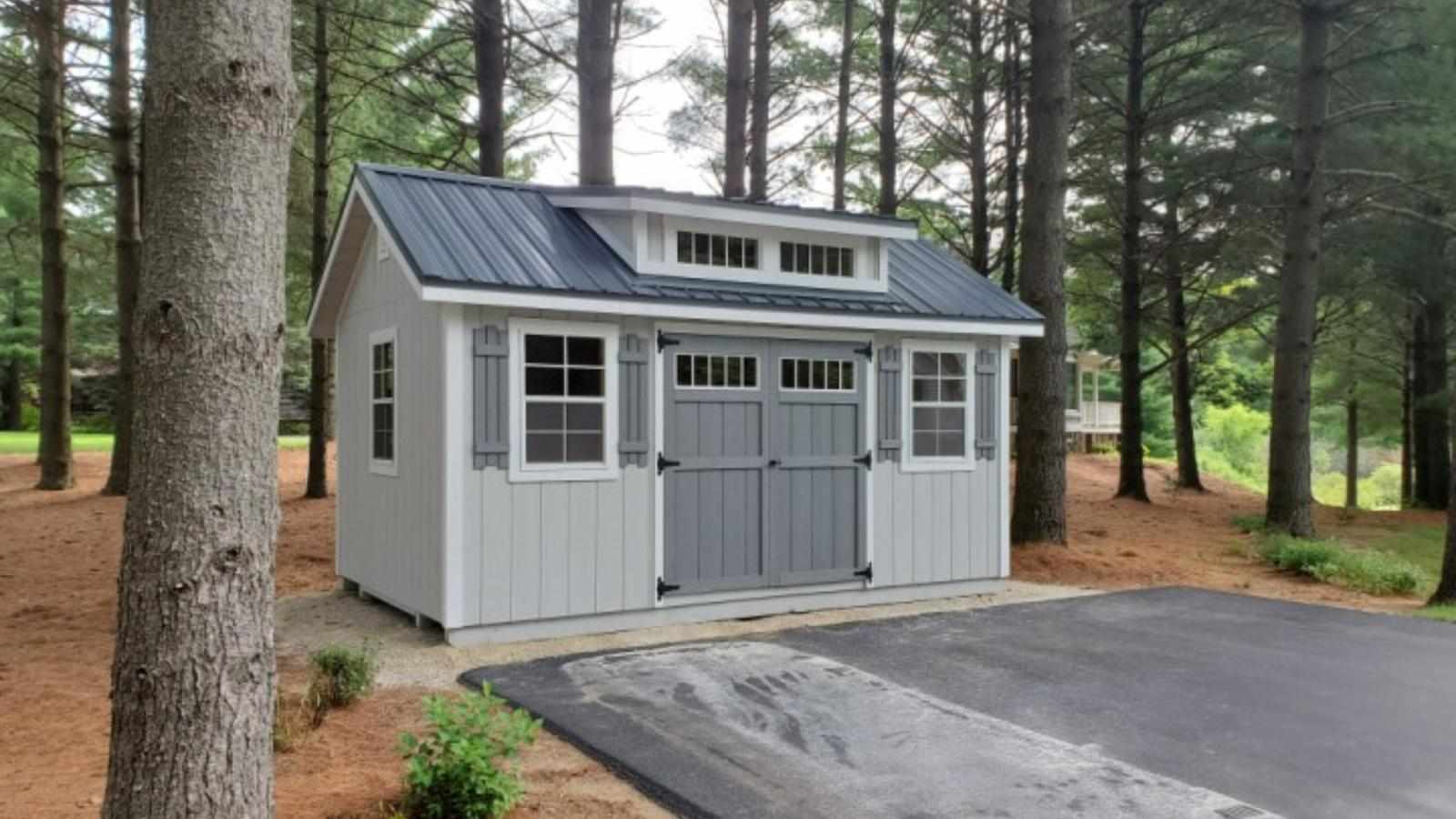
Metal roofing has become one of the most popular choices for animal shelters sheds in Mequon, and for good reason. It’s durable, long-lasting, and provides excellent protection against harsh weather.
Benefits:
Resistant to rot, pests, and mold
Reflects sunlight, keeping shelters cooler in hot climates
Minimal maintenance and high durability
Safety Impact:
While metal roofs are strong and reliable, they can become noisy during rain or hail. Horses can be sensitive to loud sounds, so adding insulation beneath the roof can help reduce noise and maintain a calm environment. Additionally, it’s important to ensure proper grounding to prevent static or lightning-related risks.
2. Asphalt Shingles: Cost-Effective and Easy to Replace
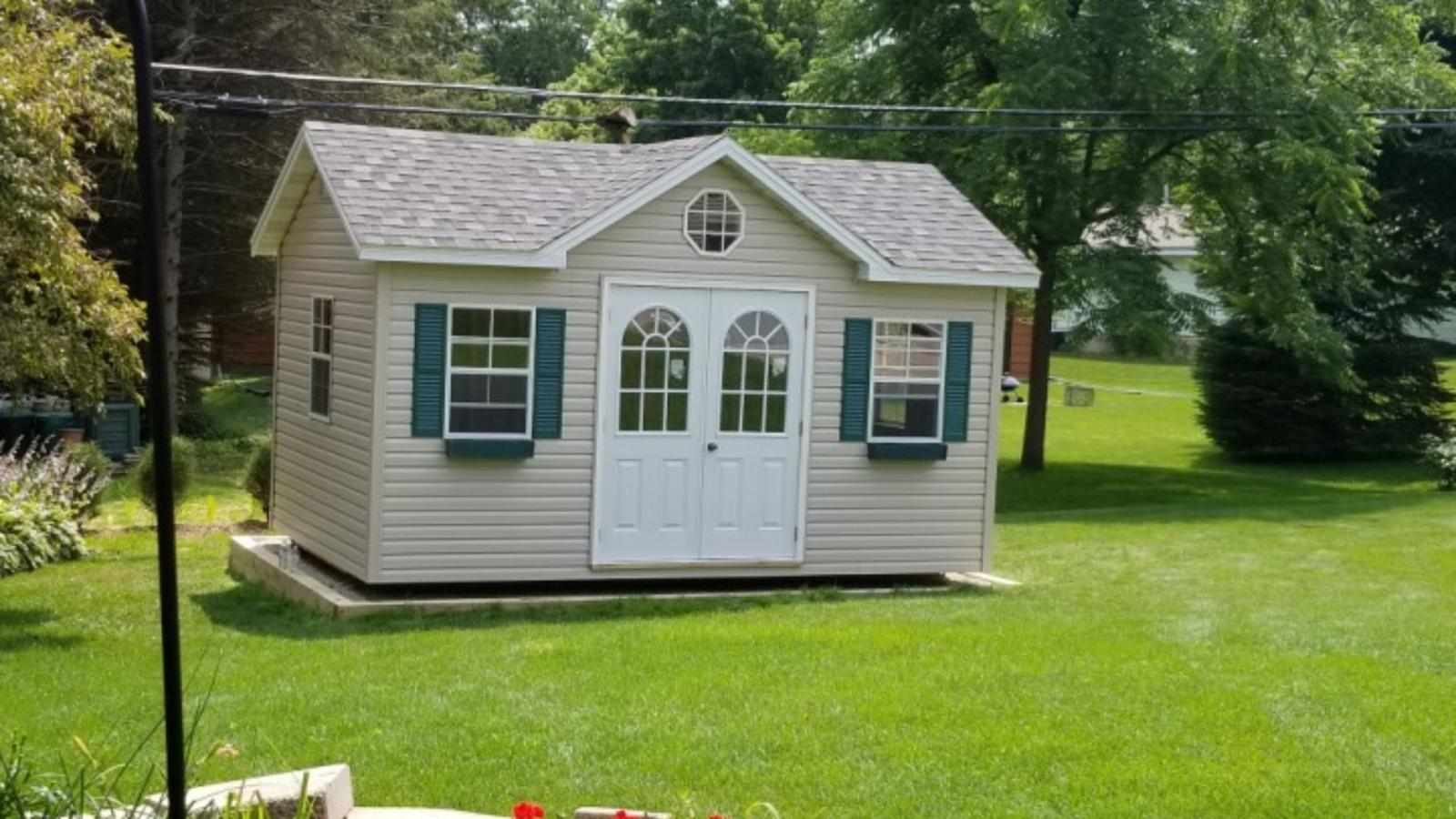
Asphalt shingles are a classic roofing material known for their affordability and availability. Many horse owners choose them for smaller sheds or temporary structures.
Benefits:
Budget-friendly and widely available
Easy to install and replace when damaged
Variety of color and style options
Safety Impact:
Although cost-effective, asphalt shingles may not last as long under extreme heat or heavy snowfall. They can also become slippery when wet, making cleaning or maintenance slightly risky. However, when properly installed and maintained, they can provide a reliable and safe shelter option for horses in moderate climates.
3. Polycarbonate Roofing: Bright, Lightweight, and Safe
Polycarbonate sheets are another modern option for roofing animal shelters sheds. These translucent panels allow natural light to filter in, creating a brighter and more comfortable environment for the animals.
Benefits:
Lightweight and easy to handle
Lets natural light through, reducing the need for artificial lighting
UV-resistant and weather-tough
Safety Impact:
Polycarbonate roofing helps maintain visibility inside the shelter, which reduces the risk of injuries caused by dark or shadowed corners. However, since these sheets can expand in heat, proper installation with expansion gaps is essential to prevent cracks or leaks over time.
4. Wood Shakes: Natural Look with Insulating Qualities
For those who prefer a rustic and natural design, wood shakes offer charm along with good insulation. They keep the interior warm during winter and cool in summer, making them comfortable for horses year-round.
Benefits:
Strong natural insulation
Aesthetic appeal that blends with the countryside look
Can be treated for added resistance to pests and rot
Safety Impact:
The biggest concern with wooden roofs is fire risk. In dry climates, untreated wood shakes can catch fire easily. To make them safer, always use treated wood and maintain them regularly to prevent mold and rot. Proper ventilation is also crucial to prevent moisture buildup.
5. Rubber Roofing: Safe and Shock-Absorbing
Rubber roofing, often made from recycled materials, is gaining popularity for its safety and durability. It’s particularly useful in areas that experience heavy rain or high winds.
Benefits:
Excellent waterproofing ability
Shock-absorbing and noise-reducing
Long lifespan and environmentally friendly
Safety Impact:
Rubber roofs are one of the safest materials for horses since they provide strong insulation and quiet protection during storms. The surface also resists cracking and leaking, which helps maintain a dry, secure environment for the animals.
Choosing the Right Roofing for Your Horse Shelter
The ideal roofing choice depends on several factors, including your local climate, budget, and the design of your animal shelters shed in Kewaskum. Here’s how you can make a smart choice:
Key Considerations:
Climate: Choose materials that handle your region’s weather—metal for rain and snow, polycarbonate for sunlight, and wood for moderate climates.
Noise Control: Insulated or rubber roofing helps minimize sound during storms.
Maintenance: Go for low-maintenance options like metal or rubber to save time and costs.
Safety: Ensure proper installation, insulation, and grounding for lightning protection.
Let's Rewind:
A well-planned roofing system is more than just a cover; it’s a safety shield for your horses. Whether you prefer the strength of metal, the brightness of polycarbonate, or the natural warmth of wood, the goal is the same—to create a safe, comfortable, and weather-resistant home for your animals. Choosing the right roof ensures your animal shelters shed stands strong through every season, keeping your horses protected and at peace.



Write a comment ...